Couples Therapy: Why Understanding the Pattern Matters More Than Winning the Argument

What is couples therapy, and does it actually work?
Couples therapy is a confidential process in which a trained therapist helps both partners understand the patterns behind their conflicts, express what they truly need and rebuild trust and closeness. It works best when both people are willing to be curious about the pattern rather than set on proving who is right.
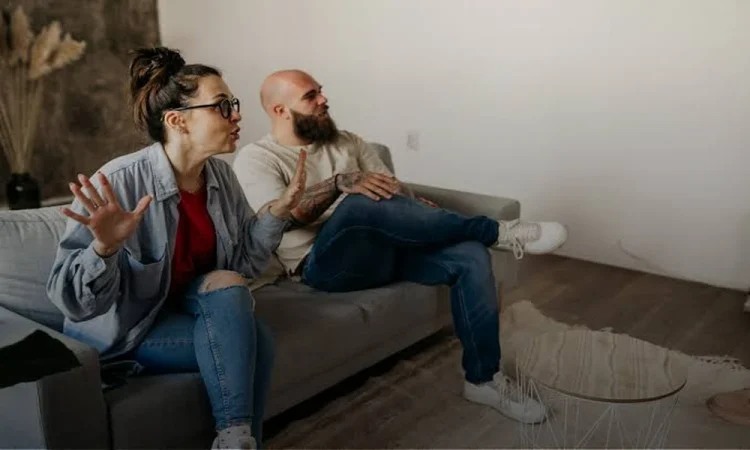
The wine glasses are still on the table, and the conversation that began as a gentle “How was your week?” has somehow become a courtroom. One of you is listing evidence. The other is calmly explaining why the evidence is unfair. Both of you are using perfectly polite voices, which somehow makes it worse. When the argument finally runs out of steam, nobody has won, nothing has been settled, and you are each left wondering why it is so hard to be understood by the person who knows you best simply.
If that scene feels familiar, you are not unusual, and you are not failing. You are two people doing your best inside a pattern that neither of you designed.
The Pattern: Different Topics, Same Argument
Look closely at most couples’ disagreements and you will find the same sequence beneath the surface, whatever the subject.
- A feeling goes unspoken. Perhaps it is loneliness, worry or a sense of not being appreciated, and it is easier to hint than to say.
- The hint comes out as criticism. “You never help” or “You’re always on your phone” is what reaches your partner, rather than “I miss you.”
- Your partner protects themselves. They explain, defend, counter-attack or go quiet.
- The original need disappears. The conversation becomes about tone, history and who said what.
- Both feel misunderstood. Distance grows, and the next round arrives a little sooner.
This is why friends’ advice so often falls flat. The difficulty does not live in you or in your partner. It lives in the space between you, in the way you each respond to the other’s fear.
The Shift: From Winning the Argument to Understanding the Cycle
The crucial change is to stop asking “Who is right?” and start asking “What keeps happening to us?”
Once you can see the cycle, you can stand on the same side of it. Your partner’s defensiveness begins to look less like indifference and more like fear of getting it wrong. Your own sharpness begins to look like what it often is: a longing to matter.
This is the heart of effective couples therapy. A therapist is not a referee and does not hand out verdicts. They slow the conversation down, notice the pattern as it unfolds and help each of you say what lies beneath the irritation, in words your partner can actually hear. They keep the space fair, so that both voices carry equal weight and both of you feel safe enough to be honest.
- Raise difficult subjects without triggering a row or a retreat
- Express vulnerable feelings rather than criticism or silence
- Listen in a way that helps the other feel understood
- Repair old hurts that still colour everyday moments
- Rebuild warmth, humour and physical closeness
It is not about endlessly revisiting the past. It is about changing what happens between you now.
Four Things to Try This Week
None of these replaces professional support, but each can begin to loosen the pattern.
- Name the cycle, not the person. In a tense moment, try “I think we’re doing the thing again” rather than “You’re doing it again.”
- Start softly. Open with a feeling and a request: “I’ve been feeling a bit distant, and I’d love an evening together.”
- Reflect before you reply. Repeat back what you heard, such as “So you felt overlooked on Saturday?”, and check you have understood before responding.
- Take a proper pause. If either of you is overwhelmed, say “I want to carry on with this, but I need twenty minutes,” and then genuinely return.
If these steps keep collapsing into the old argument, that is useful information rather than a verdict. It may be the moment when couples therapy can offer the neutral, skilled structure that is so hard to create alone.
Perspective, Encouragement and Hope
Seeking help is not a sign that your relationship has failed. More often, it shows that you both still care enough to try. Many couples describe their first session as a mixture of nerves and relief: nerves about saying difficult things aloud, relief at finally not carrying them alone.
Change usually arrives quietly. An argument ends in minutes instead of days. A hand is reached for across the sofa. You notice that you have been talking for an hour, and that neither of you was defending anything.
There will be sessions that feel raw and weeks that feel like setbacks. That is a normal part of rebuilding, and it does not undo the progress you have made. What matters is that you keep turning towards each other.
So if you are sitting at that table with the glasses still out and a quiet wish to be understood, know that there is a way through. With patience, honest effort and the support of couples therapy, the conversations that once felt impossible can become the ones that bring you closer.