
Warning Signs of Aging Home Pipes (and What Jacksonville Homeowners Should Do)

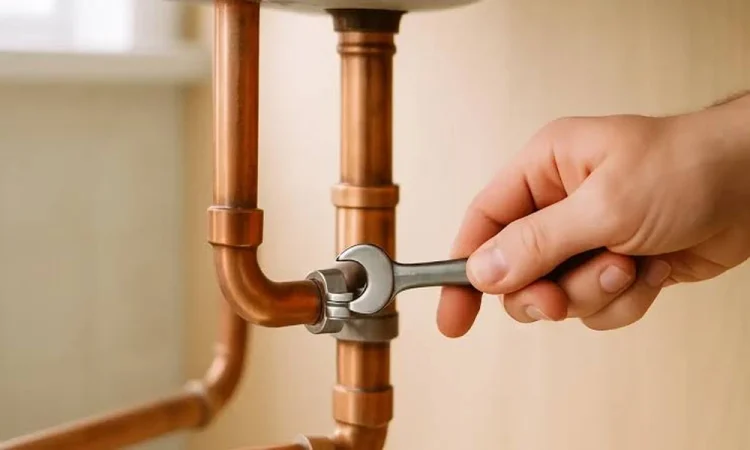

Your pipes are probably older than you think. Most homeowners don’t give them a second thought until water is pooling somewhere it shouldn’t be, or a foul smell is creeping up from a drain that snaking never seems to fix. By that point, the damage is already done. Catching the early signals of aging plumbing is one of the most practical things you can do to protect your home and your wallet.
Why Aging Pipes Are a Growing Problem Right Now
American homes are getting old fast. Around 47% of the U.S. housing stock was built in 1980 or earlier, and the median age of owner-occupied homes climbed to 42 years in 2024, up from just 31 in 2005, according to the 2024 American Community Survey data analyzed by the National Association of Home Builders’ Eye on Housing research team. That is not just a curiosity statistic. It means a huge share of the country’s plumbing is approaching or already past the age at which pipes were designed to last.
Florida homeowners carry extra risk. The state’s high humidity, sandy soil, and high water table are brutal on cast iron, the material builders installed in virtually every home before the mid-1980s. Corrosion that might take 80 years in a dry climate can happen in 40 years here. If your Jacksonville home was built before 1985, your pipes deserve a serious look.
The Pipe Age Risk Matrix
Not all old pipe is equally urgent. Here’s a framework for thinking about where your home probably sits, based on construction era and material type. Use it as a starting point for conversations with a licensed plumber, not as a substitute for a camera inspection.
| Home Built | Likely Pipe Material | Estimated Florida Lifespan | Risk Level Now |
|---|---|---|---|
| Before 1960 | Cast iron, clay | 40 to 60 years | Critical |
| 1960 to 1985 | Cast iron, galvanized steel | 40 to 60 years | High |
| 1985 to 2000 | Copper, early PVC | 50 to 70 years | Moderate |
| 2000 to present | PVC, PEX | 50+ years | Low |
The lifespan estimates for cast iron in Florida reflect the consensus of inspectors and industry trade guidance, accounting for the state’s specific environmental conditions. If your home lands in the top two rows, read on carefully.
Seven Warning Signs You Shouldn’t Brush Off
These signals show up in a specific order for most homes. Catching them early in the sequence is where you save money.
- Slow drains that keep coming back. One slow drain can be a clog. Two or three throughout the house at the same time almost always points to a main line issue, usually a collapsed section or severe corrosion narrowing the pipe interior.
- Rust-colored or discolored water. Brown or orange water from a cold-water tap means corrosion is actively happening inside your pipes. Hot water discoloration is more likely your water heater, but don’t assume.
- A sulfur or sewage smell with no obvious source. Cracked sewer lines let gas escape into the soil and sometimes back into your home. It’s subtle at first, stronger over time, and often dismissed for months.
- Visible pipe corrosion or staining at joints. Blue-green staining around copper fittings, orange streaks on cast iron, or white mineral crust at connection points are all visible evidence of active deterioration.
- Unexplained wet spots or foundation cracks. A hairline leak under the slab can run for years before it surfaces. If you’re seeing moisture near your foundation or sudden cracks in drywall, underground pipe failure is on the short list of likely culprits.
- Higher water bills with no change in usage. A pipe leaking a few drips per minute still adds up. If your bill jumped without explanation, get a pressure test done.
- Low water pressure across multiple fixtures. Localized low pressure is usually a fixture issue. Whole-house pressure drop suggests corrosion buildup narrowing the pipe interior, or a developing breach in the main line.
“The pipes underground are often forgotten until something bad happens. It’s essentially out of sight, out of mind.”
This assessment from a researcher quoted in Circle of Blue’s coverage of U.S. drinking water infrastructure captures exactly how most homeowners handle aging pipes: not at all, until it’s an emergency.
What a Jacksonville Home Looks Like at Year 50
Picture a house in the Southside built in 1974. Cast iron drain lines run under the slab. The soil in that part of Jacksonville is mildly acidic and holds moisture year-round. The pipes were installed well and have held up, but they are now 51 years old. The interior surfaces have been slowly pitting from wastewater exposure. Tree roots from a 30-year-old oak in the backyard have found a hairline crack in the sewer lateral and are slowly widening it.
The homeowner notices sluggish drains in the guest bathroom. They pour enzyme cleaner down it. It helps for a week. They repeat this cycle twice. What they don’t know is that a 14-inch section of the main drain line has partially collapsed and is now holding water between flushes. By the time raw sewage backs up into the shower, the remediation cost is three times what a camera inspection and targeted repair would have been 18 months earlier.
That scenario plays out across Jacksonville’s older neighborhoods every month. The fix is usually not as dramatic as tearing up the yard and replacing everything. Trenchless pipe lining, for example, can restore a compromised cast iron line from the inside without excavation. But you have to know the problem exists first.
Your Practical Action Plan
Here’s what to actually do if your home is showing any of the warning signs above, or if your house simply falls into the high-risk construction era.
- Get a camera inspection. A licensed plumber runs a small camera through your drain lines and records what they find. You get to see the pipe interior in real time. It takes an hour and removes all the guesswork.
- Ask specifically about your sewer lateral. The pipe connecting your house to the city sewer is your responsibility, and it’s the one most likely to have root intrusion. Most homeowners have never had it looked at.
- Request a water pressure test. Pressure is easy to measure and gives a quick read on whether corrosion buildup is narrowing your supply lines.
- Find out what your pipes are made of before you buy or renovate. If you’re purchasing an older home or planning a major renovation, make pipe material part of the conversation. A licensed plumber can identify what you have and assess its condition in one visit.
- Explore trenchless options before agreeing to excavation. If a plumber quotes you a full pipe replacement that involves digging up your yard or slab, ask about pipe lining as an alternative. It’s not right for every situation, but it’s worth the question.
Jacksonville has a large inventory of older homes, and that’s not changing. The U.S. owner-occupied housing stock has aged measurably since the Great Recession, as residential construction has consistently fallen short of demand. Rising material costs, persistent labor shortages, and elevated interest rates have contributed to an insufficient supply of new construction, pushing the nation’s housing stock significantly older over time, according to the U.S. Census Bureau’s American Community Survey program. Fewer new homes in the pipeline means more homeowners are staying in aging properties longer, which puts plumbing systems under stress they were not originally designed to absorb.
Companies like Superior Plumbing in Jacksonville specialize specifically in the aging-pipe problems that make older Florida homes so high-maintenance: cast iron relining, re-piping, pipe jetting, and the kinds of inspections that give you a clear picture of where you actually stand before something fails at the worst possible time.
Don’t Wait for the Emergency Call
The most expensive plumbing repair is always the one you ignored for two years. If your home is older than 40 years and you’ve never had your main sewer line inspected, that single action is the most useful thing you can do this month. Schedule the camera inspection, get the report in writing, and make a decision based on real information rather than hoping the problem resolves itself. Because it won’t.