Foraging, Roaming and Socializing Freely Define Genuine Elephant Care Standards

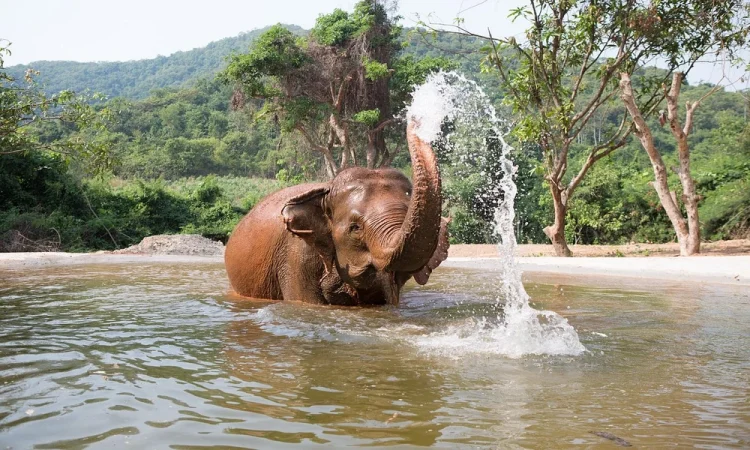
Watching a herd wander across open land reveals more than any brochure. Visitors hunting for the best elephant sanctuary in thailand should notice how residents spend each day. Healthy giants pass most waking hours searching for plants. They also walk long distances plus build strong family bonds. Places that allow those habits usually treat animals with real respect. Knowing these signs helps guests separate kind refuges from commercial camps.
Feeding Fills Most Days
Wild herds spend up to eighteen hours daily eating. An adult can consume well over one hundred kilograms of plants. Browsing on grass, leaves plus bark keeps minds active. Hand feeding by tourists replaces that natural effort with dependence.
Walking Keeps Bodies Healthy
Herds in the wild cover many kilometres each day. Movement strengthens joints while keeping weight under control. Soft soil protects feet far better than concrete floors. Chained animals often develop foot problems plus stiffness.
Signs of Real Wellbeing
Certain behaviours show that residents live with real choice. Watch for these during any visit.
- Animals graze continuously without waiting for scheduled tourist feedings.
- Herd members wander across large areas without chains or ropes.
- Family groups stay together, touching trunks or resting side by side.
- Residents splash in ponds or roll in mud whenever they wish.
- Dust bathing happens often to protect skin against sun or insects.
- The ground underfoot consists of soil, grass, or sand rather than concrete.
- Keepers observe quietly from a distance instead of directing every movement.
- Visitors watch from platforms while herds choose where to go.
Choosing a Kind Refuge
Written policies should promise open land rather than chained routines. Guests comparing options for the best elephant sanctuary in thailand can ask how many hours residents wander daily. Clear answers usually signal a well-managed place.
Natural Habits Compared Clearly
Daily behaviour looks very different between camps plus refuges. Feeding, movement plus social life all change. The table compares typical patterns. Use it when judging any place.
| Behaviour | Tourist Camp | Responsible Refuge |
| Feeding | Tourists hand feed treats | Animals graze on their own |
| Movement | Chained between sessions | Wander across open land |
| Social life | Kept apart for activities | Family groups stay together |
| Ground | Concrete or hard floors | Soil, grass plus water |
| Daily routine | Set by tourist schedules | Chosen by the herd |
Daily Needs in Numbers
Numbers help show what these animals require each day. Figures vary by age plus size. These estimates describe typical adults. Ask refuges how they meet each need.
| Need | Typical Daily Amount | What Good Refuges Provide |
| Eating time | 16 to 18 hours | Open grazing areas |
| Plant intake | 100 to 200 kilograms | Varied vegetation |
| Water | Up to 200 litres | Ponds or rivers nearby |
| Walking | Many kilometres | Large natural terrain |
| Sleep | Around 2 to 4 hours | Quiet areas away from guests |
People Wellbeing FAQ
- How many hours do these animals spend eating? Usually sixteen to eighteen hours each day.
- Does hand feeding harm them? It can, by creating dependence plus unhealthy diets.
- Do rescued residents form new friendships? Yes, many bond closely once given time together.
- Are concrete floors harmful to their feet? Yes, hard surfaces often cause cracks plus infections.
- What signals stress in captive animals? Rocking, swaying, or repeated head bobbing usually signal distress.
- How much land should a refuge provide? Enough for long daily walks across natural ground.
Liberty Shapes Happier Lives Daily
Grazing, moving along with close companionship mark proper treatment. Chains, concrete, or tourist schedules strip away that natural rhythm. Ask refuges about daily movement, ground type, or group housing. Choose centres whose answers match what you observe on site. Steady, thoughtful choices across every trip protect these creatures far better than close contact.